Minimum Energency Efficiency Standards and EPCs
Following the government's long awaited confirmation in June 2026, the following Non-Domestic rules have been finalised, allowing certainty in the industry. Required for all privately rented Non-Domestic properties even where there has been no change in tenancy.
Morris Engineering Projects can help review and provide a detailed roadmap to ensure your assets value is maximised and compliance is achieved.
Key Updates in England and Wales
Non-Domestic
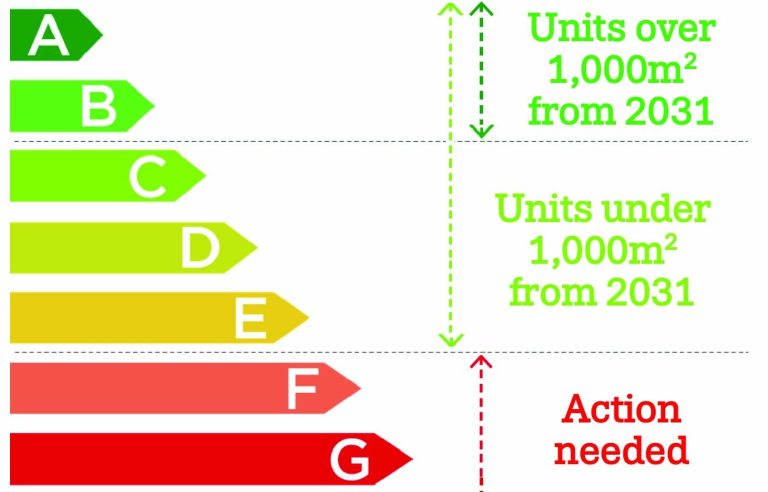
- New Non-Domestic MEES 1,000m2 threshold.
- Assets over 1,000m2 will be required to achieve an EPC B by 2031.
- Assets under 1,000m2 will be required to achieve an EPC E, as per current requirements.
- Scrapped 2027 EPC C milestone.
- The proposed 2027 interim milestone requiring an EPC C has been scrapped.
Changes will only take effect following the successful passage of secondary legislation through Parliament.
Domestic
The government will be issuing confirmation on the domestic EPCs. The expected changes are:
- New metrics rather than one single rating
- Fabric metric - Lead Metric
- Energy - A-G
- Smart Readiness - A-G
- Cost rating - Good, Average, Poor
- Social housing to be included
- Private Rental Sector database to be launched in the near future with no confirmed date
Risks
- Fine upto £150,000 for commercial properties
- Lack of tenant interest
- Unable to sell properties
- Rising costs due to poorly managed and duplication of upgrades
- Rent Free periods
- Unable to attract ESG funding
There are several exemptions that include but are not limited to:
- 7 year payback (Non Domestic)
- High cost (Domestic)
- All improvements made
- Consent
- Devaluation
Non Domestic

Assets over 1,000m2
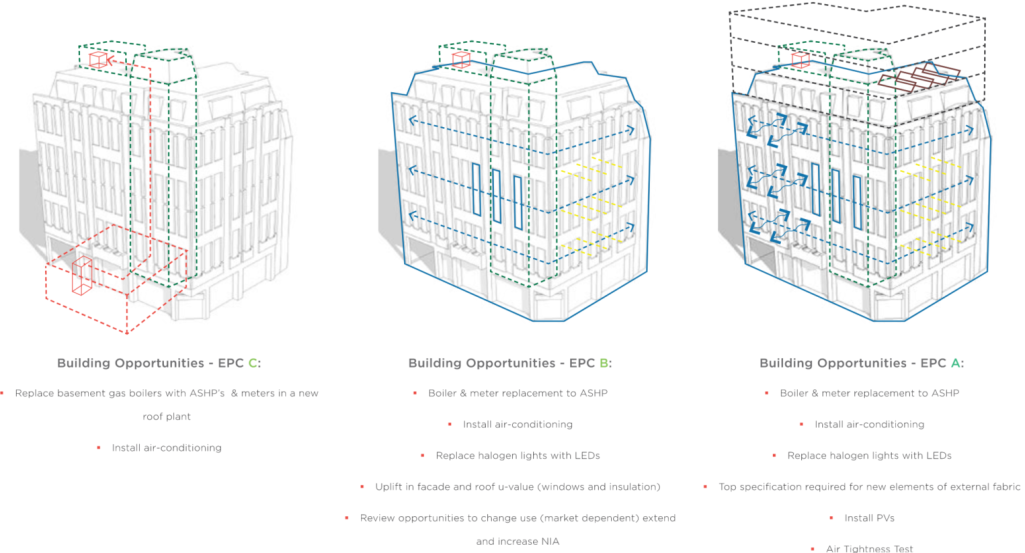
A live EPC is required. Moving from an EPC E to a EPC B can be challenging with the largest improvements achieved by electrifying where possible with solutions such as Heat Pumps, solar panels, controls and lighting.

Assets under 1,000m2
A live EPC is still required, but future legislation may still tighten requirmeents
Avoiding Stranded Assets
Recognising that energy performance ratings extend beyond regulatory compliance and influences asset valuation, green lending rates, negotiation leverage in lease agreements, and overall liquidity.
We have extensive experience in advising on a diverse range of properties across office, retail, hospitality and residential sectors that allows us to advise on the best building refurbishments. Partnering with a trusted Architect and Quantity Surveyor we assess each building fabric intervention by evaluating its tangible impact on the landlord's yield with the expected costs and likely programme.
The image below highlights a successfully implemented assessment on a London property by adding 2 stories and filling in the rear of the property following an asset complaince report. If you are interested, the below contact button links to our contact details where we can provide further information.